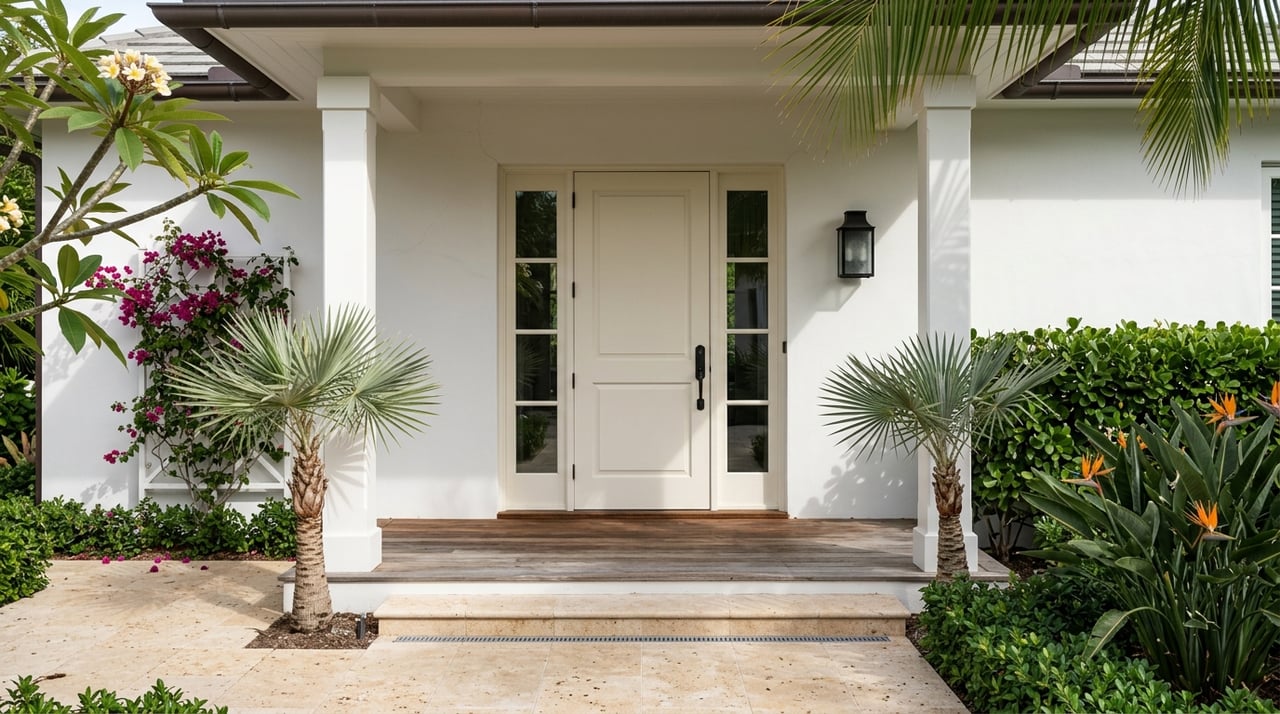
If you are thinking about buying in Old Fort Bay, you are likely looking for more than a beautiful house. You are looking for a setting that feels private, polished, and deeply connected to waterfront living. The key is knowing that Old Fort Bay is not a one-size-fits-all purchase, and the details of each property matter. This guide will walk you through what makes the community distinct, what to review before you buy, and how to approach the process with clarity. Let’s dive in.
Why Old Fort Bay Stands Out
Old Fort Bay is a private waterfront community in western New Providence centered around a restored 18th-century fort and a private members’ club. The club highlights amenities such as a beach, restaurant, fitness center, saline pool, multifunction court, Padel Tennis, and Pickleball. For many buyers, that combination creates a lifestyle that feels both relaxed and refined.
What makes Old Fort Bay especially appealing is its scale and character. Compared with other west Nassau luxury enclaves, it is generally seen as more heritage-driven and club-centered than Albany, less golf-focused than Lyford Cay, and smaller and more intimate than Sandyport. If you value a community with a distinct identity and a strong waterfront feel, that positioning may resonate.
What Buying in Old Fort Bay Really Means
A purchase here is about more than square footage or finishes. Old Fort Bay includes different property types, and court records describe the original subdivision as having oceanfront and canal-front lots, with later references to about 170 total lots in the broader development. That means your buying decision should start with the exact parcel, not just the community name.
In practical terms, you will want to compare frontage, water access, dock potential, and community obligations on a property-by-property basis. Two homes in the same neighborhood can offer very different rights and costs. A careful review upfront helps you match the property to the lifestyle you actually want.
Start With the Parcel Type
Oceanfront and canal-front differences
One of the first questions to ask is whether the home sits on the ocean, on a canal, or elsewhere within the development. That distinction affects not only views and setting, but also how you use the property day to day. For some buyers, direct water frontage is the main goal. For others, a quieter interior location within the community may be the better fit.
Canal-front ownership can raise specific questions around dockage and boating access. Oceanfront ownership may bring a different set of expectations around shoreline use, outlook, and privacy. In either case, the parcel details deserve close review before you move forward.
Community obligations matter
Court records also note that residents’ roads, waterways, and security were maintained through resident assessments. That is an important reminder that Old Fort Bay ownership typically comes with property owners’ association obligations and costs. These are not side notes. They are part of the ownership picture.
Before you buy, confirm the current dues, assessments, and any rules that could affect how you use or maintain the property. This is especially important if you are comparing Old Fort Bay with other west Nassau communities where the structure of fees and services may differ.
Beach Access Is a Key Due Diligence Issue
This is one of the most important parts of an Old Fort Bay purchase. You should not assume that every property comes with the same beach rights or access privileges. The legal record makes clear that universal beach access for all residents should not be presumed.
Court findings state that from about March 2003, future purchasers were told beach access would be available through club membership only, and the court rejected the idea that all residents had a free universal beach-access right. In simple terms, beach access may depend on the specific property and the rights tied to it.
Questions to ask before you commit
When reviewing a home in Old Fort Bay, ask whether beach access is:
- Deeded to the property
- Granted by license
- Tied to club membership
- Limited in any way by parcel-specific documents or community rules
This point is too important to leave vague. If beach access is part of your vision for the property, make sure your legal review confirms exactly how that access works for the parcel you are buying.
Club Membership Should Be Treated Separately
Old Fort Bay Club is a major part of the community lifestyle, but it should be treated as separate from the real estate purchase itself. The club states that membership involves an application and interview process. That means buying a home does not automatically mean you have the same access or membership status as another owner.
This distinction matters because many buyers are drawn to the club amenities and social setting. If club access is central to your decision, confirm the current membership process, timing, and how it relates to the property you are considering. Clear expectations make for a smoother purchase.
What Foreign Buyers Need to Know
For non-Bahamian buyers, the legal path to ownership includes important registration or permit steps under the International Persons Landholding Act. If you are buying a condominium, a property to use as an owner-occupied home, or land for that purpose, the purchase is generally registered with the Investments Board after the required fee is paid. If the acquisition is undeveloped land and would make you the holder of two or more contiguous acres, a permit is required instead.
Section 4 of the Act states that recorded documents must include the required certificate or permit, or the registration is void. That makes this more than a routine formality. It is a core legal checkpoint in the purchase process.
Exchange control registration
The Central Bank of The Bahamas adds another layer for non-resident investors. Its guidance says a non-resident who invests in real property must register the investment with the Exchange Control Department under Approved Investment Status. This step can help preserve the ability to repatriate sale proceeds or rental income later.
If you are purchasing from abroad, planning to hold through an entity, or considering rental use, early coordination with local legal and banking advisers is wise. Getting the structure right at the start can save time and friction later.
Budget for Closing and Ownership Costs
Old Fort Bay sits in the luxury segment of the market, so closing and carrying costs should be part of your planning from day one. In the Bahamas, the Ministry of Finance’s VAT-stamping guidance says that conveyances of real property generally attract VAT at 2.5% below $100,000 and 10% at $100,000 and above. Mortgages are listed at 1%, and reconveyances at 0.1%.
Because Old Fort Bay properties typically fall into the higher-value range, these costs are not minor details. They should be built into your acquisition budget early, alongside legal fees and any community-related costs.
Annual real property tax
The Department of Inland Revenue states that real property tax must be paid by December 31 to avoid a 5% surcharge or interest. Rates vary by property classification, including owner-occupied, residential, commercial or foreign-owned rental, and vacant land. The category that applies to you can significantly affect your annual carrying cost.
For example, owner-occupied property receives an exemption on the first $300,000, then 0.625% on the next $200,000, and 1% above $500,000. Commercial or foreign-owned rental property is taxed at 0.75% on the first $500,000, 1% on the next $1.5 million, and 1.5% on the balance. If your intended use is still evolving, this is worth discussing early.
A Smart Buying Checklist for Old Fort Bay
The best way to approach this market is with a calm, property-specific checklist. Old Fort Bay rewards careful buyers who look closely at both lifestyle and legal details.
Your review should include
- Identify the exact parcel type
- Confirm whether the property is oceanfront, canal-front, or another location within the development
- Verify whether beach access is deeded, licensed, or tied to club membership
- Review club membership as a separate process
- Confirm property owners’ association dues, assessments, and rules
- Check the foreign-buyer registration or permit path if applicable
- Budget for VAT-stamping at closing
- Estimate annual real property tax based on intended use
This kind of review helps you move beyond broad impressions and focus on the property that truly fits your priorities. In a community as nuanced as Old Fort Bay, that is where confident decision-making begins.
Why Local Guidance Matters Here
Old Fort Bay is one of those communities where the finer points matter as much as the headline appeal. Waterfront orientation, access rights, club structure, and ownership costs can all shape the value of a purchase. A guided approach helps you understand not just what is available, but what each property actually offers.
That is especially important if you are buying from abroad or comparing Old Fort Bay with Lyford Cay, Albany, Sandyport, or other west Nassau options. The right fit often comes down to lifestyle details, legal clarity, and long-term ease of ownership.
If you are considering a purchase in Old Fort Bay, The Hillier Team can help you evaluate the nuances of each property with local market knowledge, discretion, and a clear eye for fit.
FAQs
What makes Old Fort Bay different from other west Nassau communities?
- Old Fort Bay is generally positioned as a heritage-driven, club-centered waterfront enclave that feels smaller and more intimate than some other luxury communities in western New Providence.
Does every Old Fort Bay home include beach access?
- No. Court records indicate that universal beach access for all residents should not be assumed, so you should confirm whether access is deeded, licensed, or tied to club membership for the specific property.
Is Old Fort Bay Club membership automatic when you buy a home?
- No. The club states that membership involves a separate application and interview process, so it should be reviewed independently from the home purchase.
What should foreign buyers review before buying in Old Fort Bay?
- Non-Bahamian buyers should review the registration or permit requirements under the International Persons Landholding Act and the Exchange Control registration process for Approved Investment Status.
What ongoing costs should buyers expect in Old Fort Bay?
- Buyers should plan for property owners’ association dues or assessments, VAT-stamping at closing, and annual real property tax based on how the property is classified and used.
Why is parcel-by-parcel review important in Old Fort Bay?
- Because frontage, dockage, beach access, club relationship, and community obligations can vary by property, a parcel-specific review is essential before you buy.